Most donation pages tell you how to give. This one tells you what happens after.
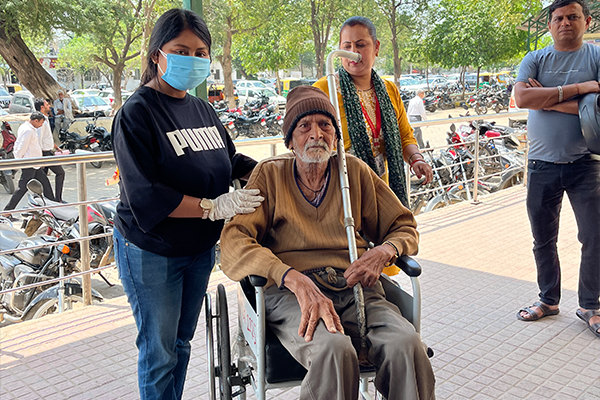
When Ramesh arrived at The Earth Saviours Foundation’s shelter in Gurugram, he had been sleeping on a roadside median for eleven days. He was 74 years old, malnourished, and had a wound on his foot that had gone untreated for weeks.
Within 48 hours of arriving, he had a clean bed, three meals, a doctor’s assessment, and wound care. Within a month, he was stable. He is still at TESF today.
That outcome – from a roadside to a room with dignity – costs money. If you have ever wondered exactly where a donation to an NGO for elderly care actually goes, this is that accounting. Not in broad strokes. In detail.
First: What Is TESF?
The Earth Saviours Foundation (TESF) is a Gurugram-based NGO providing free, permanent shelter, meals, medical care, and dignified last rites to abandoned and destitute individuals – primarily the elderly and infirm. Founded by Ravi Kalra, and today led in operations by his son Jas Kalra, TESF operates without any government funding. Every meal served, every medicine purchased, every shroud used in a burial – all of it runs on donations.
TESF is also registered under 80G, which means your donation qualifies for income tax exemption in India.
A Month in Numbers: How Donations Are Actually Spent
Running a shelter at TESF’s scale involves several cost categories that most donors never see. Here is what a single month of operations looks like across the foundation’s core functions:
1. Meals – Three Times a Day, Every Day
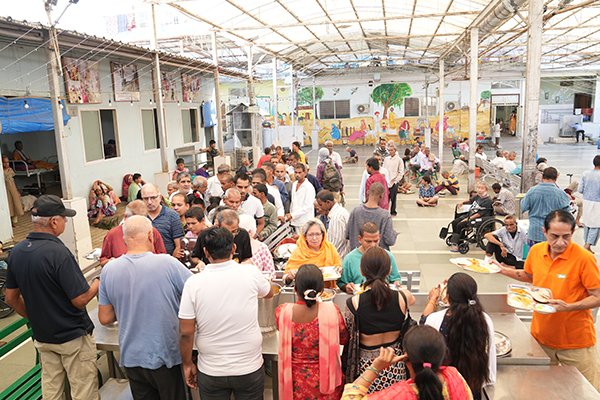
Each resident receives three meals a day: a morning meal, a cooked lunch, and an evening meal. The menu is designed for the nutritional needs of the elderly – easy to digest, sufficient in protein and micronutrients, and warm. For residents with specific medical conditions such as diabetes or kidney disease, meals are adapted accordingly.
The kitchen at TESF runs daily, without exception. Vegetables, pulses, rice, roti, milk, fruit – these are not luxury items at TESF. They are the base requirement of keeping someone alive with dignity.
Your donation funds:
- Raw ingredients purchased in bulk to reduce per-meal cost
- Kitchen staff and cooking fuel
- Special dietary items for medically vulnerable residents
2. Medical Care – From Wound Dressing to Emergency Treatment
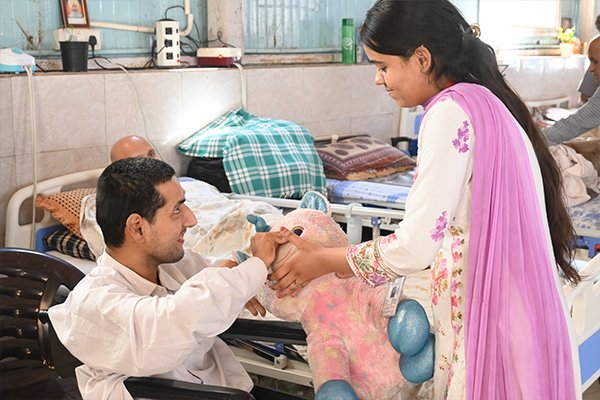
Most people who arrive at TESF come with untreated medical conditions. Infections, malnutrition, untreated fractures, skin conditions, and chronic diseases like diabetes and hypertension are common. Many have not seen a doctor in years.
TESF provides in-house medical attention for routine care and coordinates with hospitals for cases requiring specialist treatment or surgery. The foundation bears the cost of medicines, diagnostics, and hospitalisation for residents who have no family support and no insurance.
Your donation funds:
- A standing stock of essential medicines and dressings
- Doctor visits and nursing care at the shelter
- Emergency hospitalisation and specialist referrals
- Medical aids – wheelchairs, walkers, orthopaedic supports
3. Shelter – A Permanent Home, Not a Transit Point
Unlike night shelters or temporary relief camps, TESF provides permanent accommodation. Residents are not moved on after a few nights. For many, TESF is the last home they will ever know – and the foundation treats it that way.
The facility requires constant upkeep: clean bedding, functioning sanitation, pest control, electricity, clean water, and basic comfort items. The physical maintenance of the premises is a recurring, non-negotiable cost.
Your donation funds:
- Bedding, linen, and clothing for residents
- Facility maintenance – plumbing, electrical, sanitation
- Electricity, water, and utility costs
- Hygiene and cleaning supplies
4. Last Rites – Dignity at the End
This is the part most NGOs do not talk about. But it is, in many ways, the most defining aspect of what TESF does.
Many residents at TESF have no family. When they pass away, there is no one to perform their last rites. TESF ensures that every person who dies in their care is given a dignified funeral – according to their religion, conducted with respect, and at no cost to anyone.
The foundation also conducts last rites for destitute individuals found on roadsides and in public spaces across the region – people who would otherwise go unclaimed. This service is available to all, regardless of whether the person was ever a TESF resident.
Your donation funds:
- Funeral materials – shroud, wood, ritual items by religion
- Transportation of the deceased
- Documentation and coordination with municipal authorities
- Outreach for unclaimed bodies across the Gurugram region
5. Staff and Operations – The Hands That Make It Run
A shelter of this scale requires people: caregivers, kitchen staff, administrative workers, and field volunteers. A portion of every donation goes toward compensating the core team that ensures the facility functions 24 hours a day, 365 days a year.
Your Donation Is Tax-Deductible Under 80G
TESF holds 80G registration under the Income Tax Act, 1961. This means donations made to TESF are eligible for deduction from your taxable income. Upon donating, you will receive an 80G receipt that can be submitted as part of your tax filings.
If you are donating on behalf of a company, TESF donations may also qualify under Corporate Social Responsibility (CSR) requirements under Section 135 of the Companies Act. Contact TESF directly for documentation support.
How to Sponsor an Elderly Person in India Through TESF
One of the most meaningful ways to donate to an old age home in India is through a sponsorship model – where your contribution is directly tied to the care of a specific individual or a defined set of needs.
TESF accepts both one-time donations and recurring monthly contributions. Options include:
- Sponsoring one month of meals for a resident
- Contributing to the medicine fund
- General corpus donations that support overall operations
Why Transparency Matters to Us
India has thousands of NGOs. Donors are right to ask hard questions. Where does the money actually go? Is the organisation legitimate? Are the people in it doing the work?
TESF’s answer to all of these questions is: come and see. The foundation welcomes visits from donors, journalists, and anyone who wants to understand the work first-hand. What is described in this post is not aspirational. It is the daily operational reality of a shelter that has been running for over two decades.
If you want to donate to an old age home in India and know with certainty that the money reaches the people it is meant for, TESF offers that certainty – not through promises, but through an open door.
Make a Donation to TESF
Every contribution – however large or small – goes directly toward the care of an abandoned or destitute individual who has nowhere else to turn. Donate online at https://earthsaviours.in/ or contact us to discuss sponsorship and CSR partnerships.